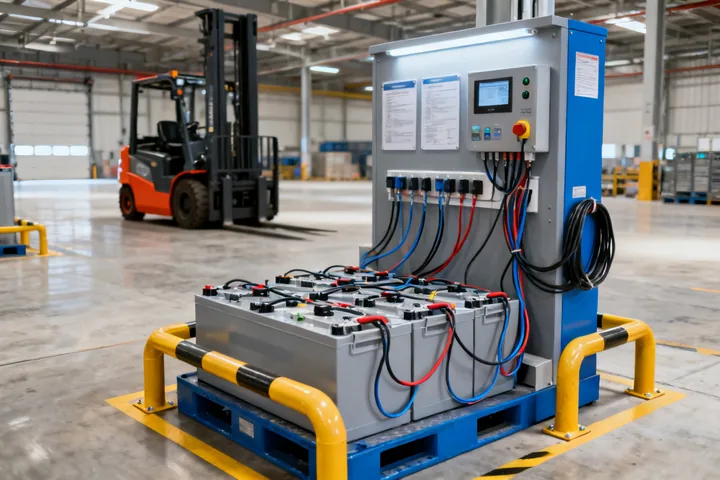
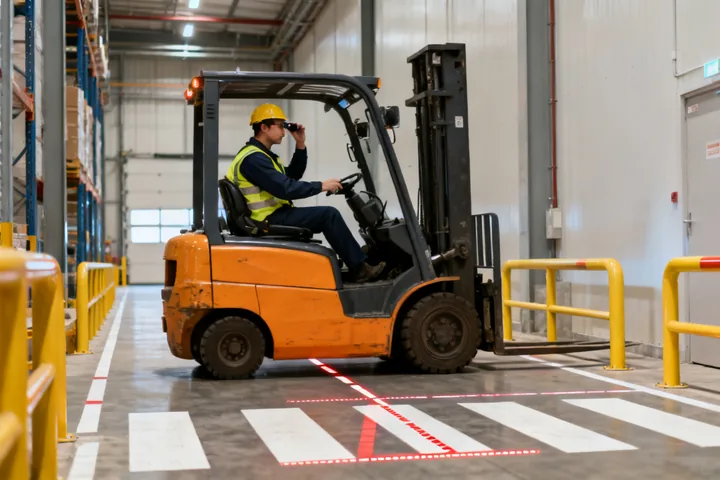
Authority-expert communication means separating operating facts, interface ownership, test methods and lifecycle readiness from unverified scale claims.
Warehouse automation decisions should be grounded in operating evidence: load application, aisle geometry, duty cycle, traffic rules, host-system ownership and acceptance criteria that can be reviewed by engineering and EHS stakeholders alike.
These scenes illustrate the kinds of reviews buyers should request. They are not certificates and do not imply a specific laboratory accreditation for every market entity.
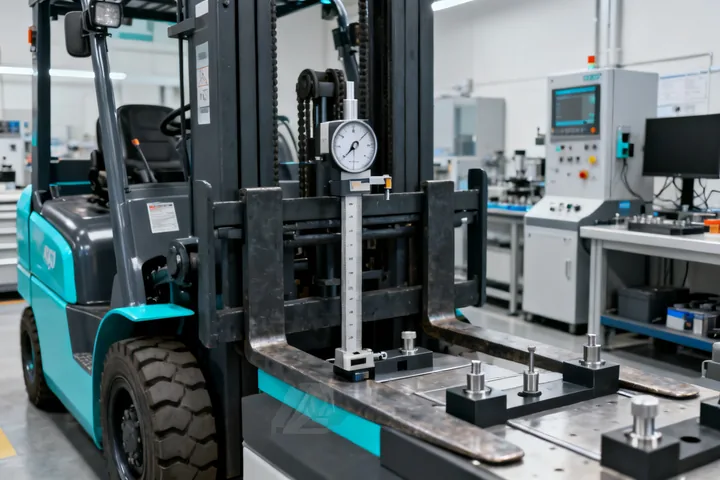
Captures kg/mm load data, AST, lift height, duty cycles, energy option and exception scenarios for counterbalance, reach and pallet truck reviews.
Representative loads, braking and parking checks, warning verification, isolation authority and retest triggers after configuration changes.
Maps machine safety, traffic rules, functional safety boundaries and document owners without collapsing standards into unexplained logos.
Separates WMS, WCS, PLC, fleet manager and truck-level ownership when industrial trucks interact with automation cells.
Brand configuration includes generated planning ranges such as a 1974 founding-year reference, 52 experience years, 1,000+ employees, 41 countries served and 2,500+ product SKUs. Those figures frame support conversations; they are not independently verified public claims and must not be treated as certified facts. Actual legal entity, staffing, product availability and service coverage are confirmed through current commercial documentation for the destination market.
Industrial truck evaluation is multi-layered. Corporate management systems (for example ISO 9001 or ISO 45001 where held) apply to an organization and defined scope. Product and machinery references such as ISO 12100 risk assessment principles or OSHA 1910.178 powered industrial truck rules apply to equipment functions and workplace practice. Regulatory conformity depends on geography and final configuration. Third-party certificates require a named issuer, valid scope and current document. Collapsing those categories into a logo row obscures the evidence buyers need.
The Hyster advantages used on this site—load and duty engineering, robot fleet safety when automation is present, lifecycle serviceability and phased project delivery—are process disciplines. They ask whether residual capacity, traffic rules, diagnostics, spares and cutover gates are reviewable. That is the authority-expert standard: fewer adjectives, more measurable boundaries, and clear ownership from first brief through stable shifts.
Bring load, route, peak window and interface ownership into one compact brief before requesting a model recommendation.
Contact the project desk