Project location
State the receiving facility country, city and any delivery constraints. Responsible entity and contractual address are confirmed in issued correspondence rather than assumed from an unverified public listing.
Use the restrained split layout below: contact channels and site context on the left, structured inquiry fields on the right. Direct telephone numbers are returned after region and request type are identified.
State the receiving facility country, city and any delivery constraints. Responsible entity and contractual address are confirmed in issued correspondence rather than assumed from an unverified public listing.
Submit the secure form to request the appropriate commercial or technical route. Direct phone and email details are provided after the region and inquiry type are identified.
Include time zone, shift pattern, preferred contact window and any survey or commissioning period. Response commitments depend on the confirmed scope.
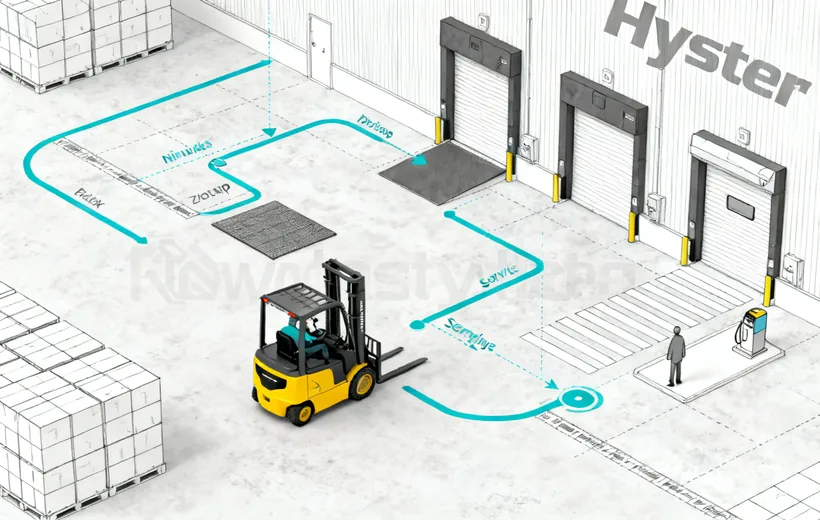
A useful drawing shows pickup and drop positions, clear aisle, turning points, overhead obstructions, doors, slopes, dock plates, pedestrian crossings, charging or fuel access and the service bay. Add the highest lift point and any attachment envelope.
Describe the representative load in kilograms and millimeters, including load center, pallet condition and overhang. If loads differ by shift, show the range. Note normal and peak movement frequency and how long the peak window lasts. For an existing fleet question, include equipment identity, observed condition and whether the asset has been safely isolated.
Explain the task that governs selection. The first review is clearer when it includes:
Submitted figures are project inputs until checked against the selected configuration, site survey and applicable local requirements. A form submission is an inquiry, not an order, quotation or performance guarantee.